
Training for the Activities You Want to Keep Doing in Your 60s, 70s, and Beyond
For most people, the goal of exercise isn’t to lift the most weight or sweat the hardest—it’s to keep doing the activities that make life enjoyable. Walking a full 18 holes, hiking on vacation, playing pickleball with friends, traveling without pain, or getting down on the floor to play with grandkids.
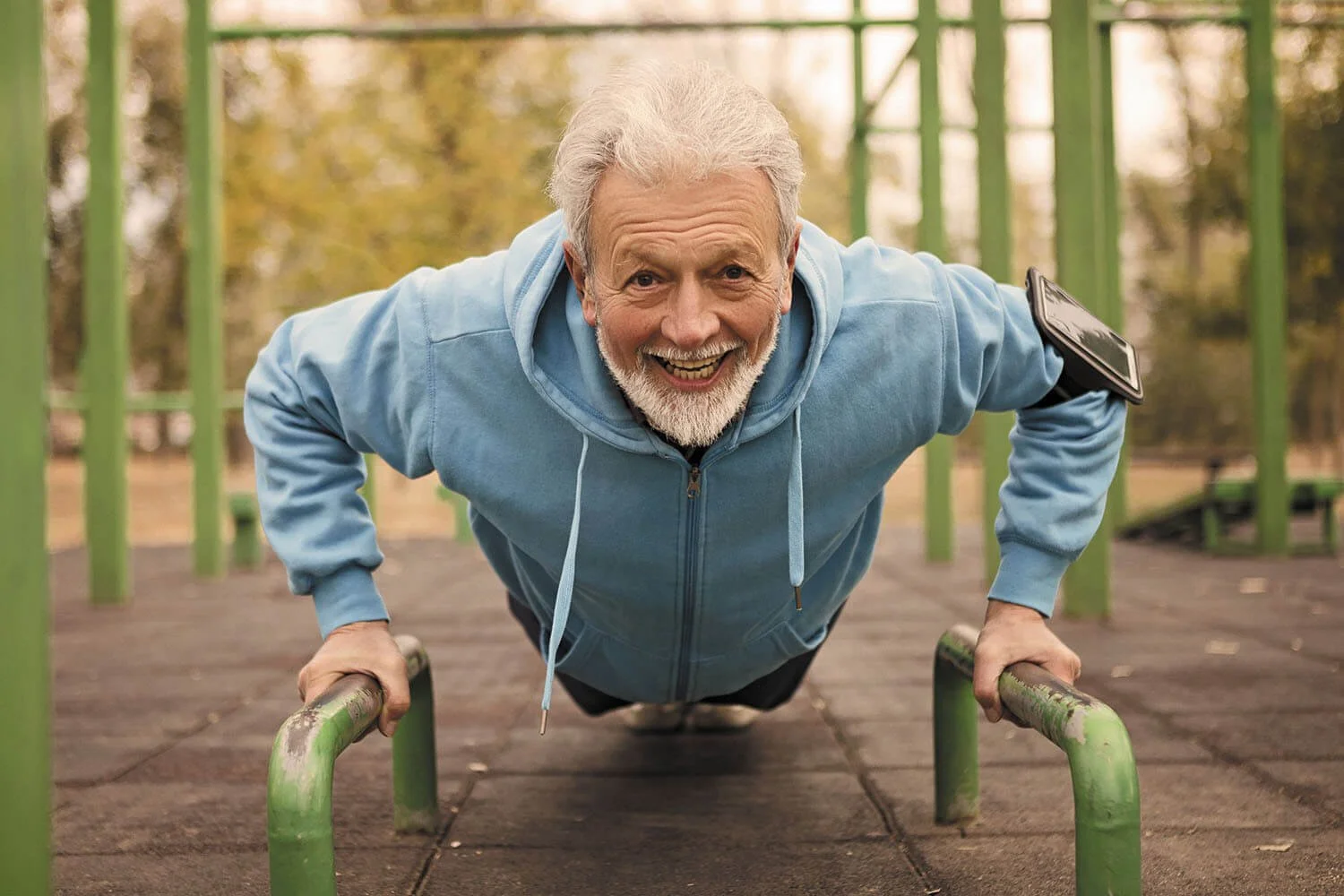
As we get older, staying active becomes less about just exercising and more about training with intention. The workouts that worked in your 30s and 40s—or the random routines you find online—don’t always prepare your body for the real demands of life in your 60s, 70s, and beyond.
That’s where specific, goal-driven strength training makes the difference.
Why Specificity Matters More As We Age
Your body adapts to the demands you place on it. This principle—called specificity—means that if you want to perform a certain activity well, your training needs to reflect the physical requirements of that activity.
When we’re younger, we can often “get away with” general exercise. But as we age:
Recovery takes longer
Old injuries matter more
The margin for error gets smaller
Random workouts might keep you busy, but they don’t reliably prepare you for hiking uneven terrain, rotating explosively during a golf swing, or reacting quickly during a pickleball rally.
Training with purpose becomes essential—not optional.
Start With the Goal: What Do You Want to Keep Doing?
The foundation of smart training is clarity. Instead of vague goals like “getting stronger” or “staying in shape,” we start with what actually matters to you.
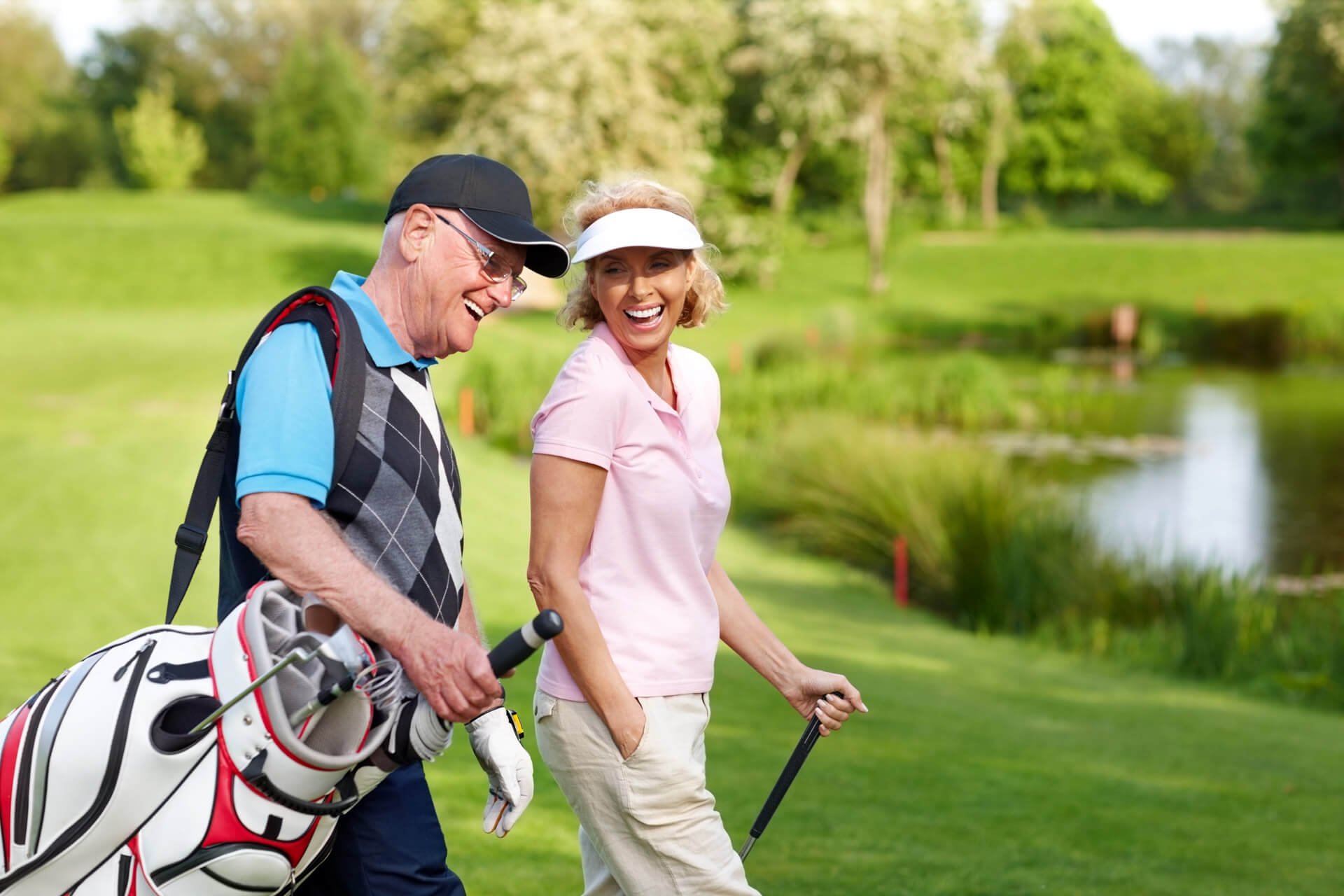
Examples:
Walking 18 holes of golf without back or hip pain
Hiking confidently on rocky or uneven trails
Playing pickleball multiple times per week without knee or shoulder flare-ups
Once the goal is clear, training decisions become much easier—and far more effective.
Injury History Is the Strongest Predictor of Future Injury
One of the most consistent findings in sports medicine and orthopedics is this: your biggest risk factor for a new injury is a previous injury.
Even if it no longer hurts.
A past knee sprain, rotator cuff tear, ankle sprain, or episode of back pain often leaves behind subtle changes—reduced range of motion, lingering strength deficits, altered movement strategies, or decreased tissue capacity. Pain may be gone, but the underlying limitations can remain.
When those limitations aren’t addressed, they quietly increase stress elsewhere. Over time, that can lead to:
Recurrent flare-ups
Compensation patterns that overload other joints
Frustration and stalled progress
A growing hesitation or fear of certain movements
That’s why intentional training doesn’t just focus on today’s symptoms. It proactively addresses yesterday’s injuries.
If an ankle was sprained years ago, we restore mobility and single-leg control.
If a shoulder was surgically repaired, we rebuild strength and rotational capacity.
If low back pain was an issue, we improve hip mobility and trunk control so the spine isn’t constantly overworked.
The goal isn’t to avoid stress altogether—it’s to reintroduce it strategically. By restoring range of motion, rebuilding strength, and improving movement quality in previously injured areas, we reduce future risk and expand what your body can safely handle.
Old injuries don’t have to define your limits—but they do need to be respected and trained appropriately.
Breaking Down Activities by Movement Demands
Rather than guessing which exercises might help, we analyze activities based on what the body actually needs to do. Most activities can be broken down into four key components:
Range of motion: How much mobility is required at the hips, spine, shoulders, and ankles?
Strength: How much force does the body need to produce and absorb?
Balance: Is the activity symmetrical or single-leg dominant? Stable or unpredictable?
Positions: What postures does the activity require—rotation, lunging, reaching, carrying?
Let’s look at how this applies to common activities.
Example: Golf
Golf may look low-impact, but it places significant demands on the body.
Movement requirements include:
Hip and thoracic spine rotation
Single-leg balance during the swing
Core control to transfer force efficiently
The ability to walk long distances and manage fatigue
If training only includes machine-based exercises or avoids rotation altogether, the body isn’t being prepared for the swing itself. Specific training might include:
Rotational strength and power exercises
Single-leg stability work
Strength through full hip and trunk ranges of motion
This doesn’t just improve performance—it reduces stress on the lower back, hips, and shoulders.
Example: Hiking

Hiking demands more than cardiovascular endurance. Uneven terrain, elevation changes, and long descents challenge the body in unique ways.
Key demands include:
Strength to absorb force during downhill walking
Hip and ankle mobility to navigate rocks and roots
Balance and coordination on unpredictable surfaces
Core strength to maintain posture under fatigue
Without targeted strength training, many hikers develop knee pain, foot issues, or back discomfort. Preparing the body means:
Building leg strength in split-stance and single-leg positions
Training balance dynamically, not just standing still
Strengthening the hips and trunk to handle long durations
Example: Pickleball
Pickleball is fast, reactive, and deceptively demanding—especially on joints.
Movement demands include:
Quick lateral movements and direction changes
Single-leg loading and deceleration
Rotational power for hitting
Shoulder endurance and stability
Because pickleball involves sudden starts and stops, insufficient preparation often leads to knee, Achilles, or shoulder injuries. Specific training focuses on:
Controlled lateral strength and deceleration
Rotational core strength
Shoulder stability through full ranges of motion
Balance and reaction training
This approach improves confidence on the court and reduces the risk of overuse injuries.
Training to Meet Real-World Demands
“Functional training” isn’t about flashy exercises—it’s about relevance. Effective programs progress logically:
From controlled to dynamic movements
From stable to unstable environments
From simple patterns to complex, sport-specific tasks
Strength is built first, then layered into more demanding positions and movements. This prepares the body not just to perform, but to do so repeatedly and safely.
The Long Game: Training for the Next Decade
The most successful approach to fitness in your later years isn’t aggressive—it’s strategic. Short bursts of motivation come and go, but what truly protects your health and independence is a long-term plan that evolves with you.
We don’t think in terms of six-week challenges. We think in terms of decades.
Training should adapt as your goals shift, your body changes, and life presents new demands. That requires structure, regular reassessment, and a willingness to fine-tune along the way.
Annual Goal Setting: Defining the Direction
Each year starts by zooming out and clarifying what matters most. Instead of vague fitness goals, we identify meaningful outcomes.
Annual conversations typically center around:
What activities do you want to prioritize this year?
Are there trips, tournaments, or seasonal activities coming up?
What limitations showed up last year?
What does “success” look like 12 months from now?
Examples might include:
Walking 18 holes consistently without back or hip pain
Hiking confidently on uneven terrain
Playing pickleball multiple times per week without flare-ups
Maintaining independence and strength for everyday life
These annual goals determine where we focus our energy—whether that’s restoring mobility, building strength, improving balance, maintaining power, or increasing endurance capacity.
Without direction, training becomes random. With direction, it becomes purposeful.
Quarterly Focus: Building in Phases
Once the big-picture goal is clear, we break the year into manageable phases. Every 3–4 months, we reassess and adjust the emphasis of the program.
Quarterly check-ins help us evaluate:
What improved?
Where are we still limited?
Has anything become irritated?
Are new goals emerging?
From there, we may shift focus by:
Prioritizing mobility restoration if range has declined
Building foundational strength before layering speed or power
Preparing specifically for golf, hiking season, or pickleball tournaments
Addressing small imbalances before they become bigger problems
This phased approach allows progress without overload. It prevents stagnation and reduces the likelihood of setbacks.
Ongoing Evaluations: Meeting You Where You Are
Your body at 65 is not the same as it was at 35. Recovery changes. Tissue tolerance shifts. Lifestyle stressors fluctuate. That’s normal.
Regular evaluation keeps the plan aligned with reality.
We consistently monitor:
Range of motion in key joints
Strength symmetry and capacity
Balance and single-leg control
Movement quality and coordination
Recurring stiffness or discomfort patterns
If something changes, the plan changes.
If a shoulder becomes irritated, we modify load and volume.
If hip mobility improves, we strengthen into deeper ranges.
If balance declines, we increase single-leg and dynamic stability work.
The program is not static. It adapts in real time.
Fine-Tuning as You Age
Aging doesn’t mean doing less—it means doing what matters most with greater intention. As the years pass, training becomes more refined, not more restricted. Warm-ups become purposeful. Recovery is planned instead of accidental. Power work is included to maintain reaction time and athleticism. Strength training continues to support bone density and joint health, while balance and deceleration work protect you from falls and sudden movements.
The focus shifts away from chasing numbers in the gym and toward preserving—and expanding—your capacity to live fully.
Playing the Long Game
When training stays aligned with your goals and adapts to your body, everything changes. You feel capable instead of worn down. Progress becomes steady instead of stalled. Minor aches are addressed early instead of becoming major interruptions. Confidence builds because your body consistently proves it can handle what you ask of it.
The long game isn’t about pushing harder every year. It’s about refining the plan so that a decade from now, you’re still doing the things you love—with strength, balance, and resilience.
Train for Life, Not Just the Gym
The ultimate goal isn’t to avoid aging—it’s to age with options.
When training is built around your goals, injury history, and the real demands of your favorite activities, you don’t just stay active—you stay confident, resilient, and independent for years to come. Exercise stops being random and starts becoming preparation for the life you actually want to live.

If you’re ready for a more intentional approach, our personal training programs are designed to meet you where you are and build a plan around what matters most to you. Whether you prefer one-on-one coaching or semi-private training, we’ll help you restore mobility, build strength, and prepare your body for the activities you want to keep doing for decades.
Train for life—not just for the gym.