
How to Perform a Hip Hinge: 3 Simple Drills to Improve Your Technique
The hip hinge is one of the most important movement patterns to learn when it comes to strength training. It is the foundation of exercises such as the Romanian deadlift, deadlift, kettlebell swing, and good morning, but it is also an important movement skill for anyone who wants to move well, build strength, or return to exercise after an injury.
Unfortunately, the hip hinge doesn't always come naturally. Many people confuse a hip hinge with a squat, bend primarily through their lower back, or don't know how to move their hips backward while keeping their knees relatively stationary.
The good news is that you don't have to start with a barbell to learn the movement. A few simple drills can provide the feedback necessary to help you understand where the movement should come from.
At Pure Movement in Portage, we work with runners, seniors, and active adults throughout the Kalamazoo area who want to improve their performance, return to exercise after an injury, or simply learn how to strength train with better technique. The hip hinge is one of the fundamental movement patterns we often work on with clients across all of these populations.
What Is a Hip Hinge?
A hip hinge is a movement in which the hips travel backward while the torso naturally leans forward. The knees maintain a slight bend, while the hips do most of the moving.
Think about closing a car door with your hips when your hands are full. You push your hips backward to create the movement rather than simply bending your knees or rounding your back. That's essentially the hip hinge.
The movement should allow the hips to travel backward while the spine remains relatively stable. Once you've reached the appropriate range of motion, you drive the hips forward to return to a standing position.
A simple way to think about the movement is:
Hips back → control the position → hips forward.
Learning this pattern is particularly important before adding significant resistance. If someone doesn't understand how to hinge without weight, adding a barbell or dumbbells can make it more difficult to identify and correct the underlying movement pattern.
Why Is the Hip Hinge Important?
The hip hinge allows us to use the powerful muscles around the hips while keeping the spine in a controlled position. It is an important component of many strength and athletic movements.
For someone learning the Romanian deadlift, the hip hinge is essentially the movement pattern they need to master before worrying about how much weight they're lifting.
For runners and other athletes, developing strength through the hips can be an important part of a comprehensive strength program. For seniors and adults returning to exercise, learning how to bend and lift through the hips can help build confidence with everyday movements as well as strength-training exercises.
The goal isn't necessarily to make everyone move exactly the same. Rather, it's about helping people develop the strength, control, and awareness necessary to perform movements safely and effectively for their individual needs.
Common Hip Hinge Mistakes
One of the most common mistakes is allowing the movement to turn into a squat. When someone bends their knees too much, the hips don't travel backward as much and the movement becomes dominated by the knees.
Another common mistake is moving primarily through the lower back. Instead of allowing the hips to move backward, someone may simply bend or arch through the spine. This can make the movement feel very different from the intended hip hinge.
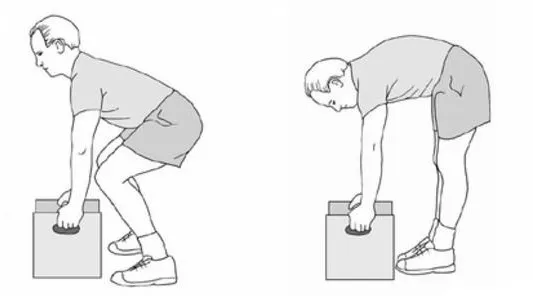
Some people also struggle with the final part of the movement. They successfully move their hips backward but then arch their lower back to return to standing rather than actively extending their hips.
The goal is to learn to coordinate the hips, knees, and trunk so that the movement is controlled and comfortable.
Three Simple Drills to Learn the Hip Hinge
Watch the full demonstration above, then use the instructions below to practice each drill.
1. Wall Hip Hinge
The wall is one of the simplest ways to teach someone what it feels like to move their hips backward. It provides immediate feedback without requiring any equipment or load.
Setup: Stand approximately 6–8 inches away from a wall with your feet about hip-width apart and your knees slightly bent.
Movement: Push your hips backward until they lightly touch the wall, then drive your hips forward to return to standing.
Key cue: Think about reaching your hips toward the wall rather than bending your knees or leaning forward.
The wall helps limit excessive knee movement because you need to move the hips backward far enough to reach it. If you simply bend your knees, you'll move down rather than backward and will have difficulty making contact with the wall.
This is a great starting point for someone who is completely new to the hip hinge.
2. Foam Roller Shin Cue
The foam roller provides tactile feedback that can help someone understand how much knee movement should occur during a hip hinge.
Setup: Place a foam roller horizontally against the front of one shin and the wall while maintaining a slight bend in the knee.
Movement: Hinge at the hips while maintaining light contact with the foam roller, then return to standing.
Key cue: Keep a soft bend in the knee while allowing the hips to move backward.
This drill helps reinforce the difference between a hip hinge and a squat. The goal isn't to completely lock the knee straight. Instead, you're looking for a slight, consistent bend while the majority of the movement occurs at the hips.
This can be particularly helpful for someone who tends to bend their knees excessively whenever they are asked to lower their body.
3. Banded Hip Hinge
A strength band can provide another form of feedback by helping someone feel exactly where the movement should come from.
Setup: Place a resistance band around the hips with the band positioned behind you so that it gently pulls the hips backward.
Movement: Allow the band to guide your hips backward as you hinge, then drive your hips forward against the band to return to standing.
Key cue: Finish by driving the hips forward rather than arching through the lower back.
The band creates a useful sensation around the hips. As you hinge backward, you can feel the band pulling on the hips and begin to associate that sensation with the movement.
It also provides feedback during the return to standing. Instead of simply extending through your lower back, you're encouraged to actively drive the hips forward.
From Hip Hinge to Romanian Deadlift
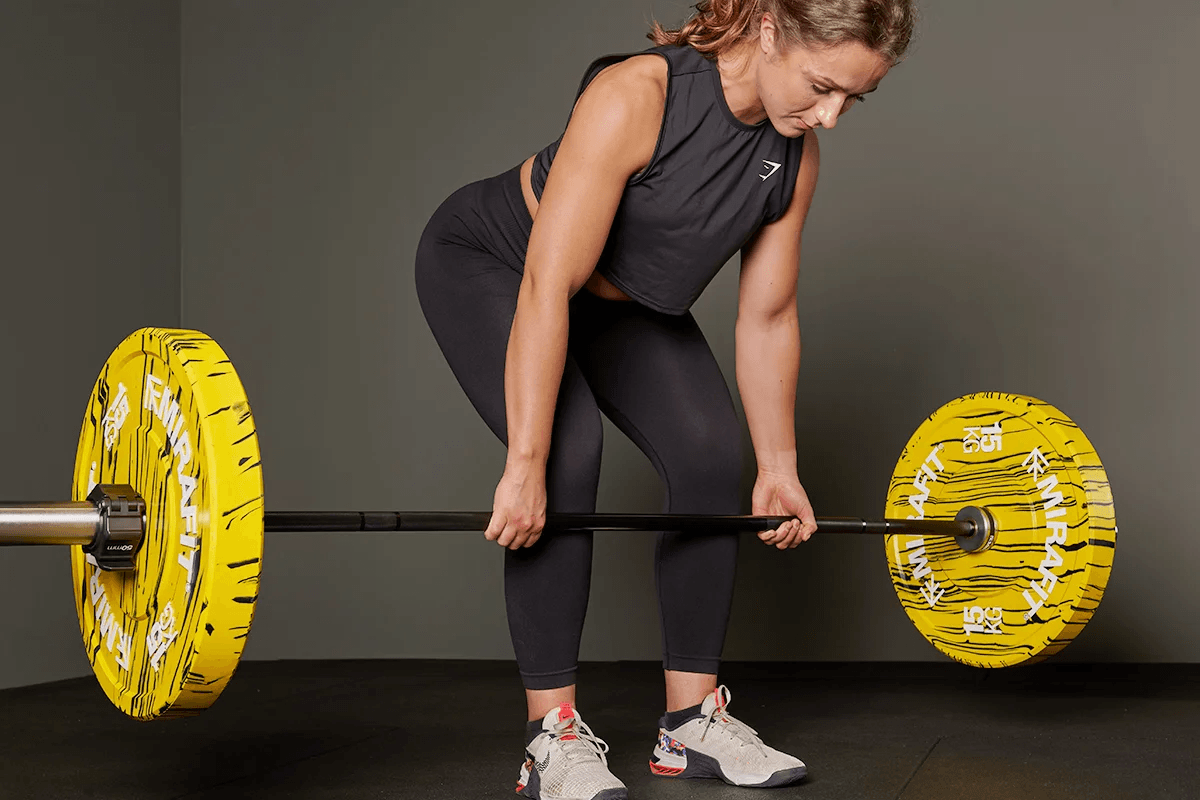
Once someone can perform a hip hinge consistently with good control, the next step is often introducing resistance.
The Romanian deadlift is a natural progression because the exercise allows you to maintain the same basic movement pattern while gradually increasing the challenge.
The important thing is not to rush this progression. The amount of weight, range of motion, and exercise variation should be appropriate for the individual.
Someone training for performance may eventually progress to heavier Romanian deadlifts, deadlifts, or other loaded movements. Someone returning from an injury may spend more time developing comfortable movement, strength, and confidence before increasing the load.
The exercise should fit the person—not the other way around.
Hip Hinge and Lower-Back Rehabilitation
The hip hinge can also be useful when helping someone return to strength training following a lower-back injury or period of back pain. Learning how to coordinate the hips and trunk can give someone more options for moving, bending, and lifting.
However, there isn't one "perfect" hip hinge that works for everyone, and the hip hinge itself isn't a cure for lower-back pain. Exercise selection, range of motion, resistance, and technique should be adjusted based on the individual's symptoms, history, goals, and current abilities.
For someone returning to exercise, the goal is often to gradually build tolerance and confidence rather than immediately trying to achieve a textbook movement.
Who Can Benefit From Learning the Hip Hinge?
The hip hinge is useful for much more than experienced lifters.
A runner may want to improve strength and movement efficiency as part of a broader performance program. A senior may want to become more comfortable with bending, lifting, and strength training. An active adult may simply want to learn how to perform exercises like the Romanian deadlift with better technique.
At Pure Movement in Portage, we work with people throughout Kalamazoo and the surrounding area with many different goals. Some are looking to improve athletic performance. Others are returning to exercise after physical therapy or an injury. Others simply want to become stronger and feel more capable in their everyday lives.
Regardless of the goal, the same principle applies: build the movement pattern before adding unnecessary complexity or load.
Start With the Movement, Then Add the Weight
The hip hinge doesn't need to be complicated. Before worrying about how much weight you're lifting, make sure you understand how to move your hips backward, maintain control, and drive your hips forward to return to standing.
The wall, foam roller, and resistance band are simple tools, but they can provide valuable feedback while learning the movement.
Once the pattern becomes more natural, you can gradually introduce resistance and progress toward exercises like the Romanian deadlift and deadlift.
Whether you're a runner in Kalamazoo preparing for your next race, a senior in Portage looking to build strength, or an active adult trying to improve your exercise technique, mastering fundamental movement patterns can give you a stronger foundation for everything that comes next.
Learn the movement. Build control. Then add the load.
Contact Pure Movement for personal training or physical therapy to build strength, recover from injury, or move with more confidence.